
Quick Summary
- STP maintenance helps sewage treatment plants operate efficiently by keeping essential equipment and treatment processes in good working condition.
- Regular inspections, cleaning and servicing can help prevent blockages, equipment failures, unpleasant odours and treatment problems.
- Common STP issues include pump failures, sludge build-up, clogged pipes, poor wastewater treatment and unusual odours.
- Proper maintenance, accurate record-keeping and suitable wastewater testing help support environmental compliance and reliable plant performance.
- The maintenance schedule depends on the plant’s size, design, usage and operating conditions, so professional servicing is important for long-term performance.
Sewage treatment plants (STPs) play an important role in managing wastewater from residential buildings, commercial properties and industrial facilities. In Malaysia, proper STP maintenance helps ensure that wastewater is treated effectively before it is discharged. This guide explains how sewage treatment plants work, why regular maintenance matters, the common problems that can affect performance, and the essential steps involved in keeping an STP in good condition. It also covers maintenance schedules, environmental compliance and when to seek professional support.
What Is STP Maintenance?
STP maintenance refers to the regular inspection, cleaning, servicing and repair of a sewage treatment plant to keep it operating properly. An STP treats wastewater from toilets, kitchens, bathrooms and other sources by removing contaminants before the treated water is discharged or reused where permitted.
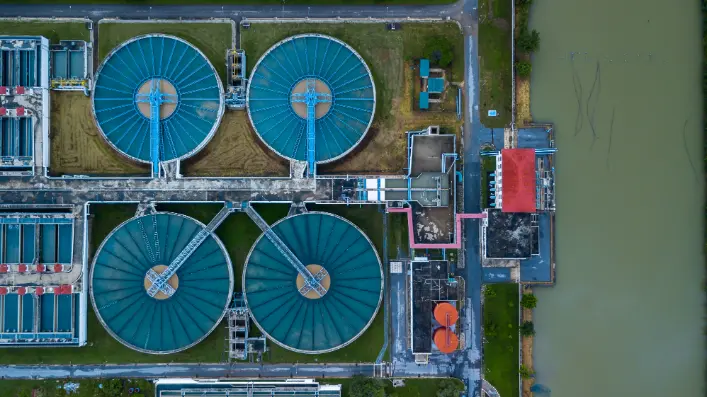
A typical sewage treatment plant includes tanks, pumps, blowers, pipes, filters and other treatment equipment. These components must work together to support the treatment process.
STP maintenance helps identify problems early, maintain treatment efficiency and reduce the risk of unexpected breakdowns. It is important for buildings that depend on an on-site sewage treatment system.
Why Is Regular STP Maintenance Important?
Regular maintenance helps prevent small issues from becoming costly problems. When equipment is not serviced properly, pumps may fail, pipes may become blocked and treatment processes may become less effective.
Poorly maintained systems can also cause unpleasant odours, wastewater overflow and potential environmental pollution. These issues may affect residents, employees and nearby communities.
For property managers and facility owners, regular STP maintenance in Malaysia supports reliable wastewater management and helps reduce unexpected repair costs. It also helps maintain a cleaner and safer environment around the property.
Essential STP Maintenance Activities
STP maintenance involves several tasks that help keep the treatment process running smoothly.
Routine Inspection and Equipment Servicing
Regular inspections help identify leaks, unusual noises, damaged components and other signs of equipment problems. Pumps, blowers, motors and control panels should be checked according to the manufacturer’s recommendations and the plant’s operating requirements.
Tank Cleaning and Sludge Management
Sludge naturally builds up during the sewage treatment process. If it accumulates beyond the system’s capacity, it can affect treatment performance and reduce available tank space.
Proper sludge management includes monitoring sludge levels and arranging removal when required. Tank cleaning should be carried out safely and according to the plant’s maintenance requirements.
Pipe and Filter Cleaning
Pipes, screens and filters can become clogged by waste materials, grease and other substances. Regular cleaning helps maintain proper wastewater flow and reduces the risk of blockages.
Monitoring Treatment Performance
Monitoring the treatment process helps identify changes in plant performance. Depending on the system, this may include checking water quality, dissolved oxygen, sludge levels and other operating conditions.
Water quality testing should be carried out where required to confirm that treated wastewater meets the applicable discharge standards.
Common STP Problems and How to Prevent Them
Sewage treatment plants may experience several operational problems over time.
Pump failure can interrupt wastewater movement, while clogged pipes can restrict flow and cause backups. Poor aeration may affect biological treatment, and excessive sludge can reduce treatment efficiency.
Unpleasant odours may indicate problems such as poor ventilation, stagnant wastewater or an imbalance in the treatment process.
Regular inspections, timely equipment servicing, proper sludge management and monitoring of operating conditions can help reduce these risks. When a problem occurs, identifying the root cause is important before carrying out repairs.
STP Maintenance and Environmental Compliance in Malaysia
Sewage treatment plants in Malaysia must follow the environmental requirements that apply to their type of facility, discharge and location. The Department of Environment (DOE) and the relevant authorities may have regulatory responsibilities depending on the system and its operations.
Maintenance helps support compliance by keeping treatment equipment in working condition and reducing the risk of untreated or inadequately treated wastewater being discharged.
Property owners and facility managers should understand the requirements applicable to their STP, including discharge limits, monitoring, maintenance records and any required inspections or reporting. Professional servicing can help identify operational issues, but maintenance alone does not guarantee regulatory compliance.
How Often Should an STP Be Maintained?
The maintenance frequency depends on the plant’s design, capacity, wastewater volume, equipment and operating conditions.
Some tasks, such as checking equipment and monitoring operating conditions, may need to be carried out daily or weekly. Other activities, including detailed servicing, tank cleaning and sludge removal, may be required periodically based on the plant’s needs.
Following the manufacturer’s recommendations and maintaining a documented servicing schedule helps ensure that essential tasks are not missed.
When Should You Hire a Professional STP Maintenance Service?
Professional support is useful when a plant experiences recurring breakdowns, persistent odours, unusual wastewater discharge, pump failures or poor treatment performance.
Experienced service providers can inspect equipment, identify potential causes, carry out repairs and recommend a suitable maintenance plan. They can also help property managers understand the servicing needs of their wastewater treatment systems.
Choosing a maintenance schedule based on the actual condition and requirements of the plant can help improve reliability and reduce avoidable downtime.
Regular STP maintenance is essential for keeping sewage treatment plants operating efficiently, managing wastewater responsibly and reducing the risk of equipment failures. From routine inspections and sludge management to performance monitoring and compliance checks, proper care helps support long-term system reliability.
If you manage a residential, commercial or industrial property, having a suitable maintenance plan can help protect your wastewater treatment system. Contact us to discuss your requirements and explore professional support for your facility.
Frequently Asked Questions (FAQs)
1. What is STP maintenance?
STP maintenance involves inspecting, cleaning, servicing and repairing a sewage treatment plant to keep it operating properly and treating wastewater effectively.
2. Why is STP maintenance important?
It helps prevent equipment breakdowns, reduce blockages, control unpleasant odours and maintain effective wastewater treatment.
3. How often should a sewage treatment plant be maintained?
The frequency depends on the plant’s design, capacity, usage and operating conditions. Some checks may be daily, while other servicing tasks are scheduled periodically.
4. What are the common problems in an STP?
Common problems include pump failure, clogged pipes, excessive sludge, poor aeration, unpleasant odours and reduced treatment efficiency.
5. What does an STP maintenance service include?
It may include equipment inspection, pump and blower servicing, pipe cleaning, sludge management, performance monitoring and repairs, depending on the system’s needs.